If you’re looking for a way to increase the value of your property while creating flexible, functional living space, building an accessory dwelling unit (ADU) in your backyard may be the perfect solution. Also known as granny flats, in-law suites, tiny homes, or backyard cottages, ADUs have surged in popularity as homeowners discover their remarkable versatility and financial benefits.
At Mallard Brothers Construction, we’ve helped countless clients transform their properties with thoughtfully designed ADUs. Here’s what you need to know about this smart investment in your home.
What is an ADU?
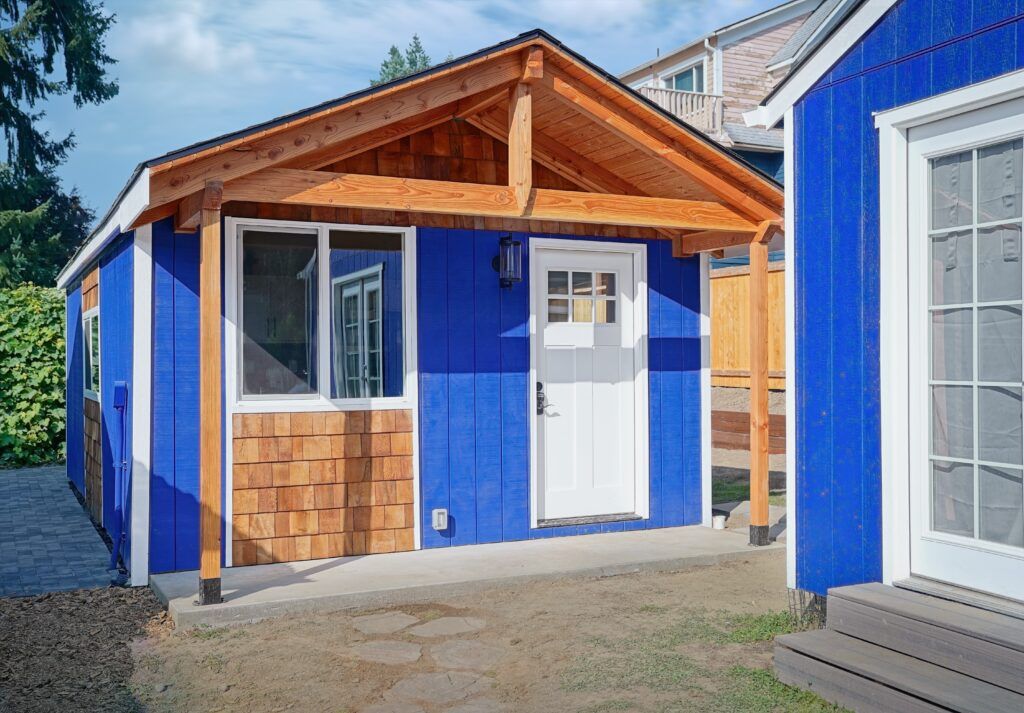
An accessory dwelling unit is a self-contained living space located on the same property as your primary residence. ADUs include all the essentials for independent living—a kitchen, bathroom, sleeping area, and living space—but in a compact, efficient footprint. These secondary dwellings can be detached structures in your backyard, attached to your existing home, or created by converting existing spaces like garages or basements.
The Life-Changing Benefits of Building an ADU
Our clients have experienced transformative results from adding ADUs to their properties. Here are the most compelling reasons to consider this investment:
1. Generate Substantial Rental Income
An ADU can become a powerful source of passive income, providing financial flexibility and security. Whether you rent to long-term tenants or explore short-term rental options (where local regulations permit), the income potential is significant.
The Numbers: Property values typically increase by $120,000 to $350,000 in current market conditions, while monthly rental income can range from $1,000 to $2,000 depending on size, location, and amenities. Many homeowners find that rental income helps offset their mortgage payments, covers property maintenance costs, or provides supplemental income for retirement or other financial goals.
Investment Returns: Most ADU projects see payback periods of 8-15 years given current market conditions, making them a solid long-term investment. Additionally, if you rent out your ADU, you may be eligible for tax deductions on property expenses, depreciation, and maintenance costs.
2. Increase Your Property Value Significantly
Adding an ADU doesn’t just provide immediate utility—it substantially boosts your home’s resale value. Potential buyers increasingly view ADUs as highly desirable features due to their flexibility and income-generating potential.
An ADU typically adds 20-30% of its construction cost to your property’s overall value. In competitive housing markets, properties with ADUs stand out, often selling faster and commanding premium prices. The additional square footage and versatile living space make your property more attractive to a wider range of buyers, from multi-generational families to investors seeking rental income opportunities.
3. Keep Aging Parents Close While Maintaining Independence
One of the most meaningful uses of an ADU is providing a comfortable, dignified living space for aging parents or family members who need assistance. Rather than facing the difficult decision of moving parents to assisted living or nursing facilities, an ADU offers the perfect middle ground.
Your loved ones can maintain their independence and privacy while staying close enough for you to provide care and support when needed. This arrangement strengthens family bonds, reduces the stress and expense of long-distance caregiving, and ensures your parents can age in place with dignity. The proximity allows for daily check-ins, shared meals, and immediate assistance during emergencies—all while respecting everyone’s personal space.
4. Provide Affordable Housing for Adult Children
With housing costs soaring and student debt burdens mounting, many young adults struggle to achieve financial independence. An ADU offers a practical solution for college students or recent graduates who need affordable, comfortable living arrangements.
By providing your children with a separate living space on your property, you help them save money on rent and other housing expenses while they pursue education or establish their careers. This arrangement allows them to build savings, pay down debt, or save for a down payment on their own home—all while staying close to family support. For parents, it provides peace of mind knowing your children are safe, nearby, and on solid financial footing.
5. Create Your Dream Work-From-Home Office
The remote work revolution has fundamentally changed how we think about workspaces. An ADU can provide the dedicated, distraction-free environment that maximizes productivity and work-life balance.
Unlike a converted bedroom or corner of the dining room, a separate ADU office allows you to truly leave work behind at the end of the day. You’ll enjoy professional space for video calls, focused work sessions, and client meetings—without the interruptions of household activities. The physical separation between work and home life can dramatically improve both your productivity and your overall quality of life.
For self-employed professionals, consultants, or anyone running a home-based business, an ADU office can also provide tax advantages through home office deductions.
6. Additional Versatile Uses
Beyond these primary benefits, ADUs offer remarkable flexibility:
- Guest accommodations for visiting friends and family, eliminating the need for hotel stays
- Creative studios for artists, musicians, or craftspeople who need dedicated workspace
- Fitness and wellness spaces with room for home gyms, yoga studios, or meditation rooms
- Hobby and workshop areas for woodworking, crafts, or other pursuits
- Rental opportunities that help address local housing shortages in your community
Types of ADUs: Finding the Right Fit for Your Property
Understanding the different types of ADUs can help you choose the option that best fits your property, budget, and goals:
Detached ADU
A standalone structure built separately from your main home, typically in the backyard. Detached ADUs offer maximum privacy and can be positioned to optimize yard space and views. Construction costs typically range from $200,000 to $400,000, though prices vary based on size, finishes, and local market conditions.
Attached ADU
Built as an addition to your existing home, attached ADUs may share a wall with the primary residence. These units can be more cost-effective since they leverage existing utilities and foundations, though they provide less privacy than detached options.
Garage Conversion ADU
Transforming an existing garage into a living space is one of the most affordable ADU options. Since the basic structure already exists, you’re primarily investing in interior improvements like insulation, plumbing, electrical, and finishes.
Basement or Attic Conversion
Converting existing space within your home offers another cost-effective pathway to creating an ADU. These conversions work well for homeowners who want to maintain their current yard space while adding rental or family living quarters.
Prefab/Modular ADU
Pre-fabricated units are built off-site and delivered to your property, offering faster construction timelines and more predictable costs. Prefab ADUs typically can be installed in a matter of weeks rather than months.
Understanding ADU Costs: What to Expect
One of the most important considerations when planning an ADU is understanding the full scope of costs involved. The average ADU costs $180,000, with most homeowners spending between $40,000 and $360,000 depending on size, type, and finish level.
Cost Breakdown by Size
ADUs typically range from 500 to 1,200 square feet, with costs averaging $450-$700 per square foot, which includes design, permits, and construction. However, it’s important to understand that smaller ADUs often have a higher cost per square foot because fixed expenses like foundations, utilities, kitchens, and bathrooms represent a larger portion of the total investment.
Hard Costs vs. Soft Costs
Your ADU budget comprises two main categories:
Hard Costs (70-80% of total budget):
- Construction materials (lumber, concrete, roofing, windows, drywall)
- Labor for general contractors and specialized tradespeople
- Plumbing, electrical, and HVAC systems
- Fixtures, appliances, cabinets, and finishes
Soft Costs (20-30% of total budget):
- Architectural design and engineering (typically 10-15% of total project cost)
- Permits and plan review fees
- Site preparation and utility connections
- Impact fees charged by local municipalities
- Project management and inspections
Factors That Influence Cost
Several variables can significantly impact your final ADU investment:
- Location: Labor rates, material costs, and permit fees vary considerably by region
- Type of ADU: Conversions are generally less expensive than new construction
- Size and complexity: Larger units and custom designs increase costs
- Finish quality: Premium materials and high-end finishes can double costs per square foot
- Site conditions: Challenging terrain, utility access, and soil conditions affect foundation and connection costs
- Local requirements: Some jurisdictions require specific features like fire sprinklers, solar panels, or upgraded utility connections
Financing Your ADU Project
Several financing options are available to fund your ADU construction:
Home Equity Loan or Line of Credit
These second mortgages use your home’s value as collateral, offering lower interest rates than personal loans and repayment periods of up to 30 years. This is one of the most popular financing options for ADU construction.
Cash-Out Refinance
If you have significant equity in your home and can secure a favorable interest rate, refinancing your primary mortgage while extracting cash for ADU construction can be an effective strategy.
Construction Loans
Some lenders offer specific construction or renovation loans designed for ADU projects. The Federal Housing Administration (FHA) offers rehabilitation loans that allow you to factor expected rental income into your qualification calculations.
Grants and Incentives
Some states and localities offer grants, tax incentives, or fee waivers to encourage ADU development. Research what programs may be available in your area to help offset costs.
The ADU Construction Process: What to Expect
Working with an experienced contractor like Mallard Brothers Construction ensures your ADU project proceeds smoothly from concept to completion:
- Initial Consultation: We’ll discuss your goals, budget, and property constraints to determine the best ADU approach for your needs.
- Design and Planning: Our team works with architects and designers to create plans that maximize functionality while meeting all local requirements.
- Permitting: We handle the complex permitting process, ensuring your project complies with zoning regulations, building codes, and utility requirements.
- Construction: From foundation to finishes, we manage every aspect of construction with attention to detail and quality craftsmanship.
- Final Inspection and Completion: We ensure all work meets code requirements and obtain the necessary certificates of occupancy.
The entire process typically takes 6-12 months for new construction, though timelines vary based on project complexity, permit processing, and weather conditions.
Making the Smart Choice for Your Property
Building an ADU represents more than just adding square footage—it’s an investment in your family’s future, your financial security, and your community’s housing supply. Whether you’re generating rental income, creating space for multi-generational living, establishing a professional home office, or simply increasing your property’s value, an ADU delivers tangible benefits that continue to pay dividends for years to come.
At Mallard Brothers Construction, we bring deep expertise in ADU design, engineering, and construction. We understand the unique challenges and opportunities these projects present, and we’re committed to helping you navigate the process with confidence.
Ready to explore how an ADU can transform your property? Contact Mallard Brothers Construction today. We’ll work with you to explore your project goals, assess your property’s potential, and ensure your ADU meets all engineering and city requirements. Let’s build something remarkable together.